

Blog
How Automation Is Reshaping Jobs: A comprehensive guide in 2026


How Automation Is Reshaping Jobs
The current world has been changed in that technology is transforming the way we work. Automation is one of the largest transformations. How Automation Is Reshaping Jobs is not simply a trend, but it is a work revolution. Robotic machines, programs and intelligent systems are replacing menial work. This is a changing situation generating both opportunities and challenges. This transformation is crucial to both the employees and the employers.
What Is Automation?
Automation refers to the fact that technology is involved in the execution of tasks without human participation. They can be as straightforward as self-checkout in the stores or the automatic email responses. In a more globalized sense, robots are used to assemble cars in factories and software programs are executed to do accounting or fill in data. The most important is efficiency. Tasks which were done in hours are taken in minutes. However, courtesy of this efficiency, jobs that humans perform are transformed as well. This is the core of How Automation Is Reshaping Jobs.
How Automation Is Reshaping Jobs in Different Industries
Factories are not the only places where automation can be applied. Its impacts are felt in every industry. Software may be used in healthcare arrangements to make schedules and maintain records of a person. Demand and reordering of stock in a retail is done through inventory management systems. Algorithms study markets and provide investment recommendations even in finance. The changes decrease the manual labor but demand development of new skills by the workers. This illustrates the fact that How Automation Is Reshaping Jobs is a universal phenomenon.
The Impact on Routine Jobs
The most common jobs that are impacted by automation are routine jobs. Machines find it easy to deal with tasks which are predictable and repeatable. As an example, data entry clerks or assembly line employees can be affected by the reduction of their positions. In contrast, less affected are jobs which require creativity, problem-solving, or human contact. This is the reason why it is also associated with the necessity of constant learning. The strategy to keep up in this changing job market is to have employees upgrade their skills.

Emerging Job Opportunities
Some jobs are lost, yet automatic jobs are formed. Robotics maintenance jobs, software development, and AI supervision become more and more popular. Diversity of data analysts, cybersecurity specialists and digital marketers are sought after. The companies also require people who train machines on how to carry out the duties efficiently. does not imply the same reduction of jobs. Rather, evolving jobs imply jobs are changing. Adaptable workers are able to get opportunities in new areas.
Information Technology in the Robotized Age.
Employees require both soft and technical skills in order to succeed. Technical ability encompasses the knowledge of programming, data analysis and machine learning Python basics. The soft skills such as communication, problem-solving and creativity are also important. Such skills enable human beings to supplement machines rather than challenge them. Knowing ( ) enables employees to know the kind of skills to specialize in. Long-term success is impossible without continuous learning and flexibility.
Automation is Good as it is Beneficial to the Workers.
Automation is able to help employees in numerous ways. It enhances time saved on repetitive work, allowing the workers to have time in creative or strategic work. It also has the ability to enhance security at the workplace, since the robots perform hazardous tasks within the factory or construction facilities. There is an increment in productivity and this may give rise to increased job satisfaction and business growth. These are the benefits that belong to recognizing How Automation Is Reshaping Jobs. Automation does not mean solely the substitution of the human being; it is also about the improvement of the human capacities.
Challenges of Automation
Automation has a cost despite its advantages. Of great concern is the issue of job displacement. Employees in the usual positions risk loss of jobs or failing to get adequate wages. There is a skills gap as well; not every employee is able to instantly move to gain tech-based positions. Additionally, rights and privacy, autonomous AI decision-making, and equity are all ethically contentious issues. Companies must be responsible about such problems. The introduction of these difficulties makes the society conscious enough not to cause unnecessary fear.
Preparing for the Future
It is a matter of preparation that involves workers, educators, and employers towards preparing to be automated. They should also be open to lifelong learning and pursue training programs. Education and training of both technical and soft skills need to be introduced into schools and universities. The companies will be able to offer workshops and mentorship as a way of adjusting staff. The governments can reward reskilling and welfare measures of the workers. Making sense of ( ) orient people and organizations to a more favorable transition.
Striking a Balance between Machines and humans.
The possible future is the equilibrium between the machines and humans. Automation must not entirely replace human work, but as a supplement. Robots can deal with the monotony of the work better, and a human concentrates on innovativeness, leadership, and empathy. This balance is productive and job satisfying. The way the How Automation Is Reshaping Jobs develops may inform businesses to take considerate actions that would favor the workers and technology.
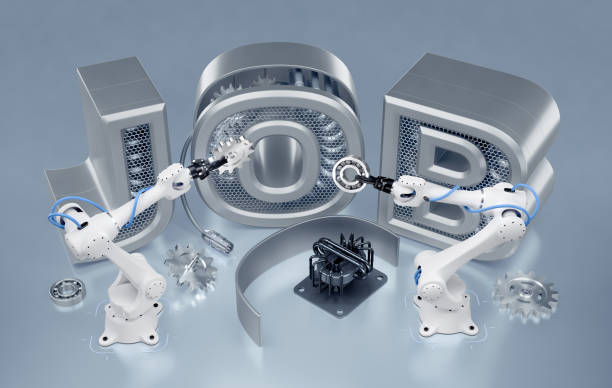
Conclusion: How Automation Is Reshaping Jobs
How Automation Is Reshaping Jobs is an ongoing journey. It transforms sectors, positions, and competencies that are needed. Although a number of jobs might be lost, new ones will emerge, which will be focused on creativity, problem-solving, and technical knowledge. With the knowledge of such trends, employees will be able to remain competitive, and businesses will be able to make maximum efficiency in a responsible manner. The essential one is the embrace of the lifelong learning and being flexible. Automation is not the evil, but it is an instrument that can be utilized properly to improve professions and bring a better future.
FAQs: How Automation Is Reshaping Jobs
Q1: Does automation rob all jobs?
No. Repetitive tasks are mostly associated with automation. Safe jobs are ones, which demand creativity, leadership, and human interaction. Knowing How Automation Is Reshaping Jobs assists in concentrating on strong careers.
Q2: What can I do to get ready to be automated?
acquire new technical and soft skills. Data analysis, programming, and communication should be upskilled. It is essential in that continuous learning is shown to be essential.
Q3: Do employees enjoy benefits?
Yes. Repetitive jobs are minimized through automation, which enhances safety and enables employees to devote their energies to other activities that are creative. It is in the acknowledgement of these benefits.