

Blog
The Evolution of Electric Vehicles


The Evolution of Electric Vehicles
Cars have changed the world. They made travel easy. They shaped cities. They created new industries. Engine engines which utilized fuel dominated the roads more than a century. Today, things look different. Electric cars abound in every corner. The number of charging stations is growing. Clean transport has ceased to be an exception. The Evolution of Electric Vehicles demonstrates the impact an innovation can have on a whole industry.
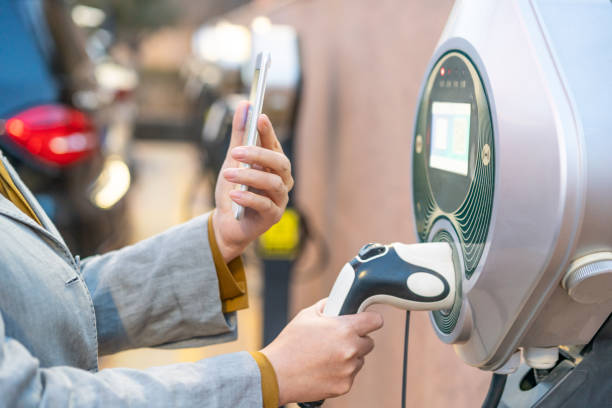
Most individuals believe that electric vehicles are novel. They are not. Their story began long ago. Technology was improved with time. Batteries became stronger. Costs became lower. Governments favored clean energy. Consumers had become more concerned with the environment. The Evolution of Electric Vehicles is indicated as changes occurring step-by-step.
Initial History of Electric Cars.
Electric vehicles emerged during the 19 th century. Yes, they are that old. Meanwhile, steam and gasoline cars were also coming up. Actually, first electric vehicles were silent and convenient to operate. They were favored by many individuals as opposed to noisy engines.
The first models were developed in Europe and the United States by their inventors. Thomas Davenport was one of the pioneers. He had been involved with technology involved in the electric motor that contributed in the development of vehicles.
The Evolution of Electric Vehicles was promising in the field at this time. There was however weak battery technology. Charging was difficult. Gas was affordable and readily available. That retarded electric development.
The EVs by gasoline and the fall of EVs.
During the beginning of the 20th century the development of gasoline cars was enhanced. Mass production was introduced by such companies as Ford Motor Company. Many families became able to afford the Model T. Gas stations were proliferated in the urban areas and along the highways.
Electronic vehicles were not able to compete. Batteries were heavy. Driving range was short. Charging took too long. This gradually pushed electric vehicles out of the mainstream market.
The Evolution of Electric Vehicles entered a quiet phase. Research was carried on, however, for decades, but no longer of interest to people.
Environmental Consciousness Gives Hope.
The fuel shortages were a cause of concern in the 1970s. Oil prices increased. People began to consider the alternatives. There was also increased awareness of the environment. The problem of air pollution emerged.
Clean research started getting the backing of governments. Car manufacturers tried new electric models. Such primitive models were plain. They were slow and limited. Nevertheless, they did change the course.
The Evolution of Electric Vehicles restarted during this time. Emphasis moved towards fuel saving and also reduction in the emission.
The Modern EV Revolution
The actual breakthrough was achieved in the 2000s. The technology of batteries was advanced. Lithium-ion batteries were more advantageous in storage and lighter. This changed everything.
Such companies as Tesla demonstrated that an electric car might be fast and fashionable. Tesla Roadster was well performing with a long range. Consumers noticed. Investors paid attention.
Conventional car manufacturers moved. Nissan introduced Leaf, which is one of the first low-price mass-market EV. BMW came up with electric cars that were stylish.
In this period a speedy evolution of was accelerated.
Innovations on Battery Technology.
In The Evolution of Electric Vehicles, battery development is at the center stage. Initial battery types had small amounts of energy. The current batteries cover hundreds of kilometers in one charge.
Scholars are currently interested in solid-state batteries. These are promising quicker charge and an elevated degree of safety. Organizations will spend billions of dollars in research. More reliable and low-cost battery is better.
There is also an increase in charging networks every year. Quick chargers minimize time to wait. Home charging departments are simplified.
All these enhancements drive The Evolution of Electric Vehicles along.
Government Policies and Incentives.
The governments have an effect. There is a wide range of countries that provide electric vehicle buyers with tax credits. There are cities that offer free parking or reduce registration charges.
The manufacturing conditions have environmental laws which motivate companies to cut down on the emission levels. Nations establish a long-term objective of going gasoline-free.
Public support strengthens The Evolution of Electric Vehicles. Certain policies aid in strategizing on the future production of companies.
The role played by technology companies.
Cars are not simply electric cars. They are intelligent mobile wheelie bins. They use advanced software. They connect to the internet. Smartphones update them in the same fashion.
The leaders of technology like BYD are concerned with the production of the battery and the design of the vehicles. Batteries are manufactured with the help of international suppliers such as Panasonic.
Software enhances navigation, safety and performance. The driving assistance systems can be improved with artificial intelligence.
Speed K Ltd combines the automotive and digital innovation.
Advantages of Electric Vehicles.
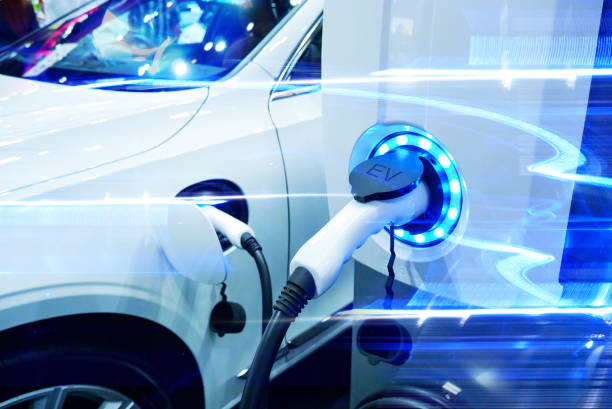
The emission of a tailpipe by electric cars is zero. This improves air quality. They operate quietly. This limits noise pollution.
The cost of maintenance is frequently reduced. Electric motors use less moving parts compared to the gasoline strings. Drivers save money on fuel.
The Evolution of Electric Vehicles helps in making cities clean and the community healthy.
Challenges Still Ahead
The electric cars have difficulties. Infrastructure is yet to be established in most places. There should be better battery recycling. Initial buying costs are still high in certain markets.
Manufacturers are working out solutions. Recycling programs expand. Production scales increase. Costs gradually decrease.
is comprised of success and challenges. Open communication fosters integrity and openness.
Global Market Growth
The sales of electric cars increase annually. More brands enter the market. There is increasing consumer demand on sustainability.
The emerging markets also invest in clean transport. Highways are planned to have charging networks. Electric fleets are implemented in businesses to give delivery services.
is no longer a national affair. It is a global movement.
The Evolution of Electric Vehicles is a manifestation of such principles.
The Future of the Electric Mobility.
The journey is not over. The technology of autonomous driving is evolving. A combination of renewable energy enhances sustainability. Vehicle-to-grid systems enable the cars to transmit energy at homes.
Innovation never stops. Trial materials are tested by engineers. Planners enhance effectiveness. Regulations are revised by policymakers.
The Evolution of Electric Vehicles is bound to influence transportation over the next several decades.
Conclusion
Since it was first tried with experiments in the 1800s, The Evolution of Electric Vehicles reveals a compelling story to the present-day models. It presents the way in which technology can be stronger following losses. It demonstrates the fact that innovation can help real issues.
Electric vehicles are currently powerful, less impactful, and intelligent. Governments support them. Companies invest in them. They are becoming more trusted by consumers on an annual basis.
Transportation is heading in the right direction. The situation is not as easy, but the momentum is ever-increasing. Down the road to come seems electrical.
FAQs
What is making the electric cars gain popularity?
Growth is caused by better batteries, reduced operating cost, and environmental awareness.
Are e-vehicles affordable at the moment?
Prices vary by region. They become more available in the long run with incentives and reduced fuel prices.