

Blog
Smart Homes: Tech That Simplifies Life

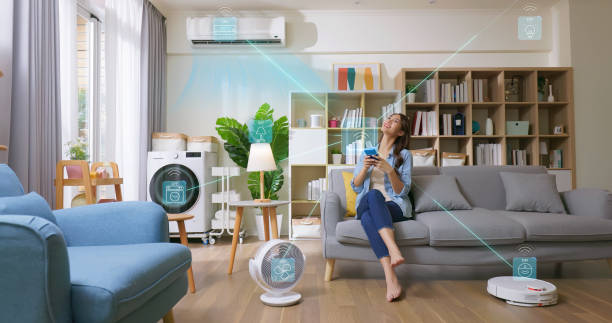
Smart Homes
The world has turned into a technologically changing world. Houses no longer are everywhere to sleep and rest. They are evolving to be smart spaces. There are lights that will change automatically. Doors lock with a tap. Thermostats become familiar with your habits. it make daily life easier and more efficient.
The home automation was regarded as a luxury by many people before. Today it feels practical. Families want safety. Professionals desire a convenient way. Seniors want comfort. Smart Homes bring all these benefits together in one connected system.
This guide explains how Smart Homes work. It identifies the actual benefits. Let us see how contemporary technology makes life easy.
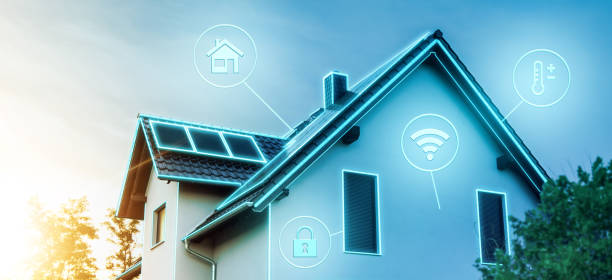
What Are Smart Homes?
Smart Homes use internet-connected devices. These gadgets interact with one another. They automate and react to the commands.
A intelligent speaker is able to switch on lights. In the case of a mobile application, temperature can be regulated. Alerts are created immediately by security cameras. All of them are connected by Wi-Fi or Bluetooth.
Such companies as Amazon and Google create voice assistants that operate most home appliances. Simple commands and routines are answered by such systems.
Smart Homes reduce manual effort. They save time. They improve comfort.
Intelligent Lighting to Be Efficient.
Lighting is often the first step into Smart Homes. Smart bulbs are color changing in brightness. When nobody is in the room, they auto switch off.
This subjects electricity to less consumption. It also extends bulb life. You can program the lights to turn on prior to your getting home.
- Smart lighting systems, including Philips, are compatible with voice assistants.
- Smart Homes use lighting not just for comfort, but also for energy savings.
Smart Thermostats and Climate Control.
A major portion of the energy bills are devoted to heating and cooling. Daily habits are learned by the smart thermostats. They vary the temperatures according to activity.
Devices as an example are Nest devices which analyze patterns and optimize energy utilization. They minimize the wastage at the expense of comfort.
This maintain balanced indoor climates. They would save in the long-run. They minimize the effect on the environment.
Home Security and Safety
Security is a major reason people adopt . CCTV video feeds are available in smart cameras. Through motion sensors, messages are received immediately. Smart locks can be accessed remotely.
There are also such companies as Ring that create the doorbell cameras improving the safety of the home. There is a notification to the users on their phones.
Smart Homes improve safety for families. They give you an assurance when you are out of town.
Intelligent Dyson Household Plus.
The new kitchens are smart with the refrigerators and ovens. These appliances are linked to applications. Some suggest recipes. Grocery lists are followed by others.
The washing machines give a notification when cycles are complete. Floor cleaning is done automatically by robot vacuum cleaners.
Smart Homes simplify chores. They liberate time with more significant things.
Voice Control and Automation.
Voice assistants make Smart Home easy to manage. You speak. The system responds.
You can create routines. Indicatively, a single command has the capability of switching off lights, locking doors and altering temperatures. Monotony in tasks is eliminated through automation.
Apple has voice systems that are compatible with smart homes. The connectivity of these systems links several devices.
Smart Homes become more intuitive with each update.
Sustainability and Energy Management.
Saving on energy is an issue nowadays. Smart meters are real-time consumption meters. Solar panels are linked to supervising applications.
Smart Homes allow homeowners to see where energy is used most. This understanding results into superior choices.
Automation reduces waste. Planned heating and lighting reduce expense on monthly bills. Connected systems help to make sustainable living easier.
Fun and Games and Internet.
Integration of entertainment systems is done. Intelligent television sets are streaming compositions. Synchronized audio is developed with multi-room speakers.
Apps or voice commands allow people to have control over movies and music at home. All is related like a connecting highway.
Smart Homes bring convenience to relaxation as well as productivity.
Accessibility and Comfort
Smart Home support elderly residents and people with disabilities. Voice control is an energy-saving feature. Light is automated, and this enhances visibility. Quick response can be offered through emergency alerts.
Remote monitoring aids caregivers to be kept abreast. These characteristics make her more self-reliant and safer.
Smart Homes create inclusive living environments.
Challenges to Consider
While Smart Home offer many benefits, they require reliable internet. Initial setup costs can vary. Acceleration of learning may require time.
Privacy is also important. The users ought to use trusted brands and to upgrade the devices periodically. The data is safeguarded through secure passwords and secured networks.
Smart Homes function best when installed and maintained carefully.
Trustworthiness
Security policies are issued by manufacturers. Certifications make sure that standards of the industry are followed. The establishment of clear documentation enhances confidence of the users.
Smart Homes succeed when backed by these principles.
The Future of Smart Homes
The use of technology keeps improving. Artificial intelligence will make Smart Home even smarter. Homes will anticipate requirements by the machines prior to the issuance of orders.
Integration will improve. Appliances of other brands will be easier to use. There will be increased automation.
Smart Homes may soon manage water use, air quality, and even grocery restocking automatically.
Why Smart Homes Matter Today
Modern life is busy. Time and efficiency are important to people. Smart Home reduce stress by automating daily tasks. They enhance safety and reduce costs of energy.
The networked devices bring convenience it is not complex. Families enjoy comfort. Companies implement intelligent systems in companies and rentals.
Smart Homes represent practical innovation. They combine the daily living with the use of technology in meaningful ways.
Conclusion
Smart Homes transform ordinary houses into connected living spaces. They enhance the lighting, climate regulation, security and entertainment. Automation is time saving as well as energy saving.
Although configuration takes some planning, it is obvious that it offers long-term gains. Comfort increases. Bills decrease. Safety improves.
Smart Homes are not just modern gadgets. They are realistic solutions which make life easier. Connected living will become even more convenient and secure with the further development of technology.
FAQs
1. Are Smart Homes expensive to set up?
Costs vary. Less advanced systems such as smart bulbs are cheap. An advanced setup is more expensive to invest, however, more economical in the long run.
2. Are Smart Homes secure?
Yes, when there are trusted brands, strong passwords as well as regular updates.