

Blog
How to Choose the Right SSD: A Guide to speedier and wiser storage.

How to Choose the Right SSD
Restoring your storage would transform the way your computer works. It can boot faster. It can open files in seconds. It can simplify the gaming and work process. This is why a large population researches on How to Choose the Right SSD prior to making a purchase. The market has a variety of alternatives. There are those, which are similar and have very different results. You are not alone, maybe you are confused. In this guide, you will be taught How to Choose the Right SSD in simple and very applicable manner. We will include speed, size, durability and value. We will also rely on real world experience and recommendation the advice we give you on making a smart decision.
Why SSDs Matter Today
Conventional hard drives are moving part based. They spin. They make noise. They are slower. FLASH memory is applied in solid state drives. They have no moving parts. This gives them a quicker and more dependable design. In knowing How to Choose the Right SSD, you will not experience slow speed and money wastage. An effective SSD enhances start up time. It speeds up file transfers. It minimizes interfering of bulky programs. All of these advantages are important to both students and professionals, as well as gamers.
Experience: What Real Users Require.
Lessons in experience are valuable. Many users due to the price alone purchase storing. Later they know that the drive is either too small or too slow. Start with your daily activities when you are considering (, whatever). Do you edit videos? Do you play large games? Are you a photo hoarder with thousands of photos? The response to your questions forms your decision. Real users often prefer:
- Sufficient storage capacity both present and in the future.
- Where the performance is not particularly excessive or sluggish.
- Simulated installation and compatibility to their system.
- Warranty has good coverage to have a peace of mind.
Learning How to Choose the Right SSD entails giving attention to practical application, not statistics on a box.
Explanations of Types of SSDs in Simple Words.
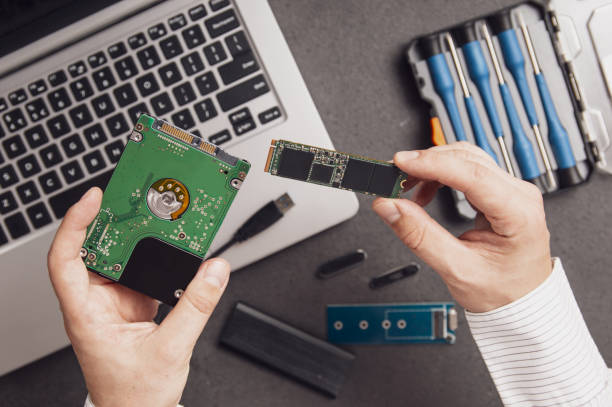
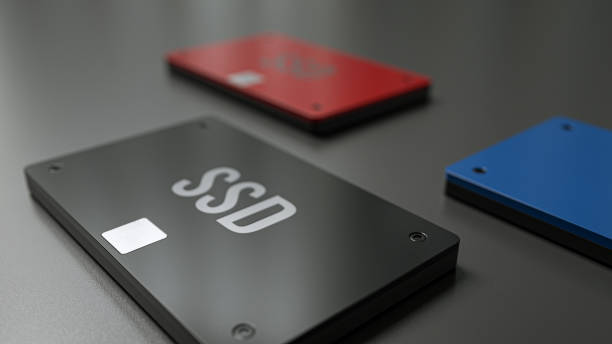
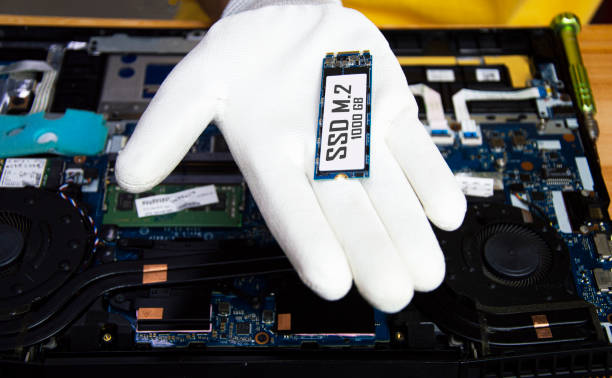
There is no harm in learning types. There are two common shapes. One of them resembles a small rectangle. The other resembles a roll of fine wood. This type of a rectangle is referred to as SATA. NVMe is commonly being used in the slim version. SATA drives are not the fastest but cheap. NVMe drives are much faster. They are directly interconnected with the motherboard. Watch How to Choose the Right SSD, get your computer checked. The other systems support SATA only. NVMe is being supported in newer systems. The wrong type would lead to issues. Always ensure that they match with the purchase.
Speed: The Truth behind Those Numbers.
Numbers of speed may appear to be awkward. A read and a write speed may be shown as MB per second. More figures indicate quicker exchange of data. Even a simple SSD can be fast when it comes to daily activities such as going through the Internet and working at the office. Faster speeds are more beneficial in the case of gaming or editing. Learning Hit speed to your needs when you learn. It is not necessarily that you need the most. Equal performance can be more beneficial.
Storage Capacity: Future Introduction.
Capacity is not as insignificant as most individuals believe. Space is occupied by operating systems and software. Even more is consumed by games and videos. When you purchase a drive that is not bigger, it might be required to purchase one once again. Please be sure to think of 500GB plus when making the decision on the size of the disk used. The heavies can opt 1TB or higher. Apply space other than updates and new files. An SSD is not well in circumstances where it is nearly full.
Experience: NAND and Endurance knowledge.
Manufacturers exploit other types of memory. These include TLC and QLC. It does not require great technical skills. Simply be aware that certain types of memory have a long life span when they are heavily utilized. Endurance ratings display the durability of the drive at the amount of data that it is capable of handling. The endurance rating may be looked at when investigating How to Choose the Right SSD. In case you have to do a lot of writing of large files, a drive with high durability should be selected. Specialists suggest that it is beneficial to combine speed with capacity and endurance. This produces a sustainable system that is enduring.
Authoritativeness: Believing in Credible Brands.
The reputation of the brand is significant. Established firms take their time to test their drives. They supply updates on the firmware. They provide assistance in case of something. Consider user reviews and terms of warranty when doing their research. An extended warranty is also a sign of trust in the quality of products. Clear installation instructions are also found in the trusted brands. This reduces setup errors.
Reliability: Warranty and Data Protection.
Important files are contained in storage. Photos. Work documents. Personal data. You need reliability. The error correction features are built in many of the SSDs. Others provide encryption as an enhancement of security. Warranty length is the last thing to consider when considering. Quality drives have a warranty of three to five years. Good support builds trust. It protects your investment.
Price vs Value
A low price is not necessarily good value. An extremely low priced drive can slow with time. It may have lower endurance. Compare price per gigabyte When you study How to Choose the Right SSD. Consider performance and warranty as one. It is usually more economical to pay a bit more to be assured of stable speed and reliability. Balance and not only savings can contribute to value.
A Guide to installation and compatibility.
Tests Before purchasing, test your system. Laptop- This is your laptop guide. Desktop- This is your desktop guide. Confirm available slots. There are systems, which support both SATA and NVMe. Others support only one type. In learning How to Choose the Right SSD, nothing allows returns and frustration. Installation is not normally demanding. Numerous motives have explicit instructions. Easy guides are also found on the Internet.
Energy Efficiency and Noise
SSDs consume less power as compared to the traditional hard drives. They also run silently. This will enhance battery life in laptops. It reduces heat. When addressing How to Choose the Right SSD, it is worth remembering that the efficient storage is useful towards the well-being of the system in general. Fewer heat needed equates to few strains on other parts.
Conclusion
Storage upgrade may also change your computer life. Faster boot times. Smoother performance. Quicker file access. Learning How to Choose the Right SSD also assists in making a decision AS E. Focus on your needs. Check compatibility. Balance capacity, speed and durability. Relate with strong warranties that are reputable. When you use experience, experience, authority, and trust, you choose a drive that will sustain your work and entertainment in years. How to Choose the Right SSD is easy when it is dismantled.
FAQs
Can NVMe be better than SAA?
NVMe is faster. SATA is however suitable in day-to-day work. Make your selection depending on your need of system support and performance.
What are the typical lengths of span of political disability?
Majority of quality SSDs have their useful life of many years in normal usage. The endurance rates and the length of the warranty provide a decent idea of reliability.