

Blog
Internet of Things in Daily Life: How Smart Technology Is Changing the Way We Live

Internet of Things in Daily Life
Technology is no longer an exclusive of computers and smartphones. It has now entered our homes, automobiles, work stations and even our clothes. This shift is driven by the Internet of Things in Daily Life. It links objects that are used daily to the internet to facilitate communication and exchange of data. These inter-related devices assist us to waste less time, enhance our comfort and make/take wiser decisions. The Internet of Things in Daily Life is not just a trend. It is an expedient system which underpins contemporary life. This article will reveal to you how it works, where you can find in everyday life as well as the reasons why it is important in the future.
What Is the Internet of Things in Daily Life?
The Internet of Things in Daily Life signifies the physical gadgets that relate to the internet and communicate with one another. These gadgets are smart lights, thermostats, watches, fridges, automobiles, and security. They employ sensors in order to capture information. Afterwards they outsource that data to applications or cloud systems.
To illustrate, a smart thermostat is able to know your schedule. It also automatically controls the temperature. A smartwatch will monitor you and your steps. It offers Notifications to your phone. These activities occur immediately. The user does not need to put much effort into them. That is what makes the Internet of Things in Daily Life makes everyday tasks simple and efficient.
How the Internet of Things in Daily Life Works
The procedure can be comprehended. First, devices have sensors. These sensors are able to gather information like movement, temperature or position. Second, the tablet is connected to the internet. Third, it disseminates the information among the software systems. Lastly, the data is analyzed using the software and the feedback is sent.
You are unaware of the technical actions. The only thing you have to go through is the result. As you get in a room, the lights come on. When a cycle is completed, a notification is received in a washing machine. Grocery apps will make you know when you are running out. The Internet of Things in Daily Life is then silent in the background to allow convenience.

Smart Houses and lived-in Coziness.
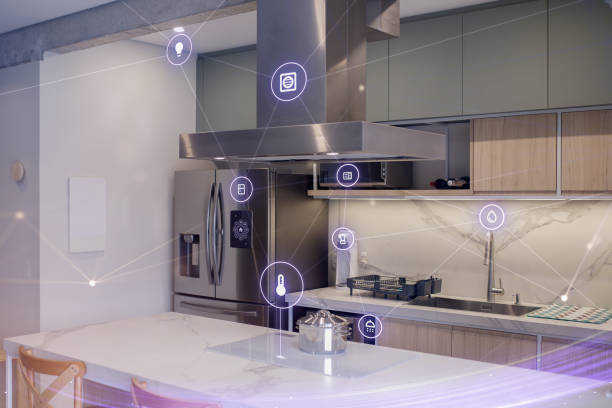
One of the most regular illustrations of the Internet of Things in Daily Life, is smart homes. Connected bulbs, door locks and cameras are now used by many families. These machines enhance comfort and safety.
There is a clever door lock enabling remote door access. An attached camera sends notifications in the event of any suspicious movement. Smart lighting systems change the brightness according to time of the day.
These features save energy. They also reduce stress. You will be able to check your home at the time of traveling. User can turn off appliances remotely. The Internet of Things in Daily Life turns houses to safe and effective environments.
Health and Wearable Devices
The wearable technology has transformed the management of personal health. Smartwatches and fitness bands control the heartbeat, sleep, and steps taken per day. There are gadgets that monitor levels of oxygen and stress.
This data can be used to give doctors better advice. Users have the option of putting health goals and tracking their progress. Tracking in real time promotes good culture. The Internet of Things in Daily Life assists human beings to remain conscious of their health without necessarily visiting the clinic.
This approach saves time. It also aids in early identification of any health-related issues.
Connected Vehicles and Smart Transportation.
There is also the development of transportation. Most of the present-day automobiles have internet access and built-in sensors. These will aid in navigation, road signs and traffic updates.
Pilots are also given real time route recommendations. Accidents are minimized by parking sensors. The vehicles can send maintenance reminders when matters are not critical.
The Internet of Things in Daily Life enhances safety in the road and saves fuel wastes. It also improves driving experience as it provides useful information as it appears.
Cities and Public Services which are smart.
Connected systems are used to enhance services in cities of the world. Traffic lights are smart thereby leading to less congestion. Waste management systems monitor the levels of bins. The arrival times are accurate through public transport apps.
Streetlights increase or decrease depending on movement. The water systems have automatic leak detection. These are energy saving measures and enhance safety of people.
The Internet of Things in Daily Life is not simply beneficial to individuals. It serves full communities, ensuring that the services are more efficient and reliable.
Benefits of Internet of Things in Daily Life
The benefits are obvious and realistic. First, it makes it more convenient. Automated systems are expected to cope with repetitive operations. Second, it enhances efficiency. There is sound use of energy and resources. Third, it enhances safety. Damage or loss is avoided through alerts.
Businesses also gain value. The retail stores monitor inventory in real time. Hospitals check on the performance of equipment. The farmers employ intelligent irrigation in order to minimize waste of water.
All these indicate how the Internet of Things in Daily Life brings in more productivity and wiser decisions.
Security and Privacy Issues.
The personal data is collected by related devices. And that is the reason why security is important. Manufacturers are currently emphasizing on encryption and secure software updates. The responsibility should also lie with the users. Devices are secured by use of strong passwords and frequent updates.
Transparency builds trust. Understandable privacy policies gain confidence. The Internet of Things in Daily Life is enhanced when the users of the information are assured that their information is secure.
The Future of Internet of Things in Daily Life
The future looks promising. Artificial intelligence will enhance learning of devices. The houses will become more energy efficient. There will be increased accuracy in healthcare monitoring.
Smart farming will lead to production of more food. The learning experiences will be improved in the connected classrooms.
The Internet of Things in Daily Life will keep on expanding into new regions. The main goal remains simple. Make life easier. Improve safety. Save time and resources.

Conclusion
The Internet of Things in Daily Life has taken its place in the modern life. It interrelates hardware, gathers useful data, and has smart solutions. It touches us everywhere whether it is homes, hospitals, cars, or even cities.
The technology conserves time and enhances comfort. It helps in health, safety and efficiency. Meanwhile, the security and privacy need to be in the focus.
With the ongoing innovation, the future of technology will be determined by the Internet of Things in Daily Life. It will assist individuals to live intelligent, safer and more integrated lives.
FAQs
1. What is the Internet of Things in Daily Life in simple words?
It refers to the daily gadgets that are related to the internet and exchange data amongst themselves to simplify and streamline work.
2. Is the Internet of Things in Daily Life expensive?
There are a variety of smart gadgets that are not expensive nowadays. The prices keep on decreasing due to the increased use of technology.
3. Is the possible energy saving of the Internet of Things in Daily Life?
Yes. Smart lighting systems, thermostats and appliances use less energy because they operate more efficiently.